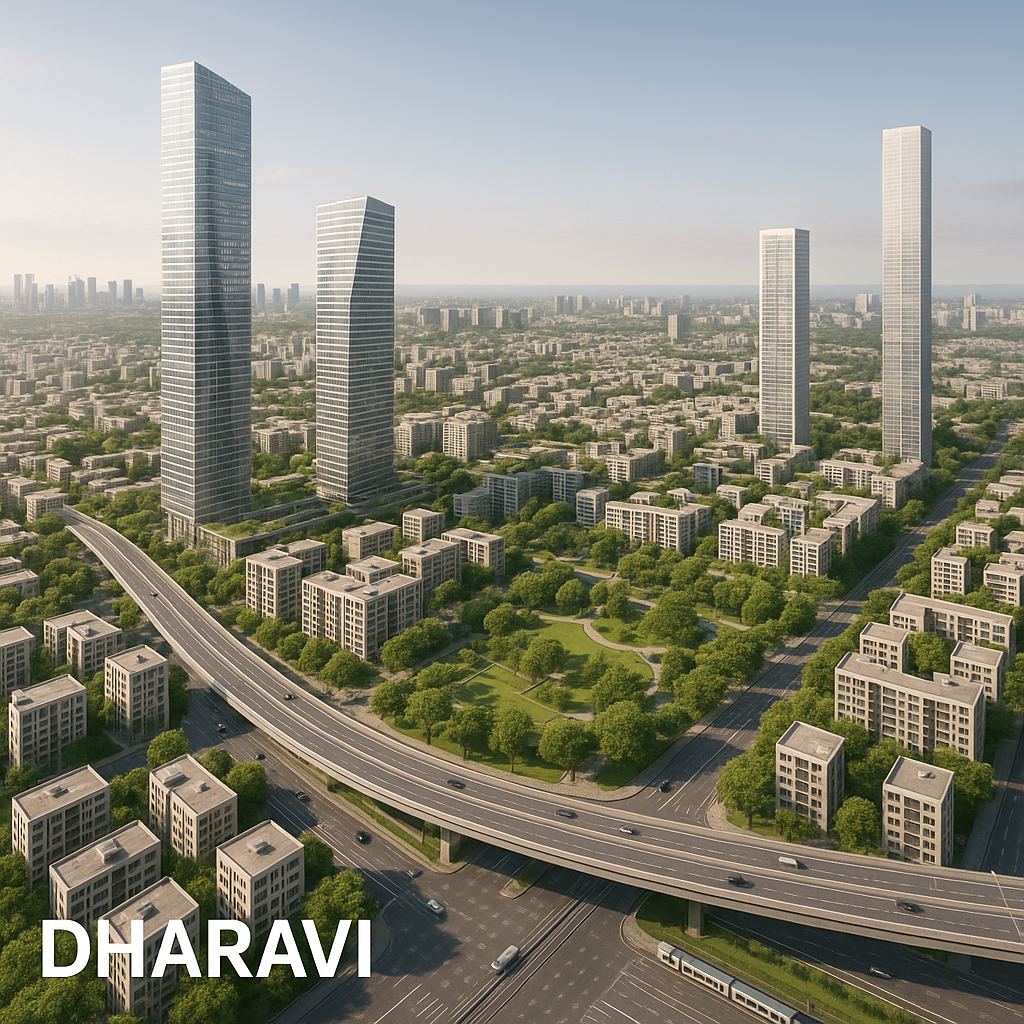
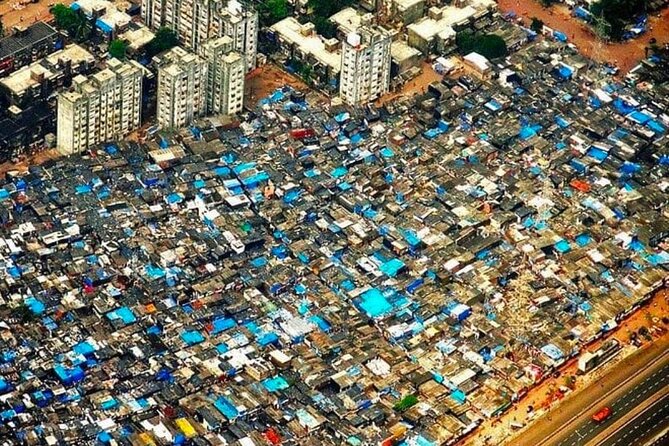
Dharavi redevelopment Mumbai is one of the largest urban transformation projects in India’s history. Spread over 500 acres in the heart of Mumbai, Dharavi houses nearly 1 million people and hosts a ₹5,000 crore informal economy. With a ₹23,000 crore redevelopment project led by the Adani Group, the government hopes to transform Dharavi into a modern residential and commercial zone. But this bold plan raises serious questions about displacement, economic loss, and the future of one of Mumbai’s most resilient communities.
What Is the Dharavi Redevelopment Project?
Led by: Adani Realty (contract won in 2022)
Budget: ₹23,000 crore
Scope: Rehabilitation of residents + commercial restructuring
Area: Over 500 acres, divided into 9 sectors
The project aims to provide:
Free 350 sq. ft homes to eligible residents
Commercial zones and new infrastructure
Modern sanitation, drainage, and transportation
Development vs Displacement: What’s at Stake?
While the redevelopment promises a better life, there are concerns:
For Residents:
Eligibility criteria are unclear
Families may be relocated outside Dharavi temporarily
Loss of community and support systems
For Workers:
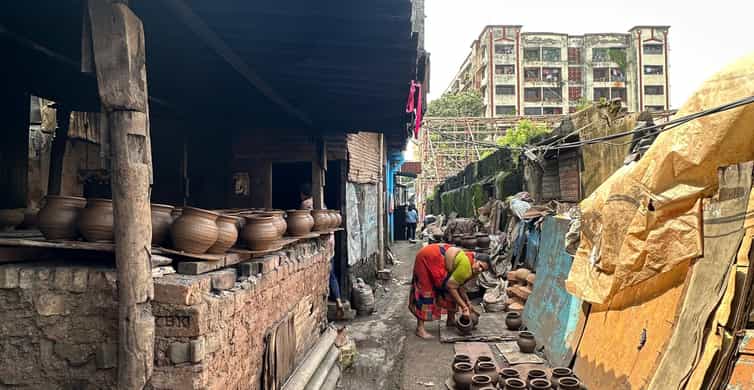
Dharavi is home to leather, pottery, textile, and recycling industries
Many fear that high-rise buildings won’t support traditional small-scale workspaces
Lack of planning for industrial integration in new designs
“They want to give us new homes—but what about our workshops, our clients, our lives?” — local potter in Dharavi (via The Hindu)
The Economic Risk
Dharavi’s informal economy contributes over ₹5000 crore annually. Redevelopment without careful planning may:
Disrupt supply chains and jobs
Kill generations-old family-run businesses
Push laborers into unemployment or migration
Why Redevelopment Is Still Needed
Despite risks, Dharavi suffers from:
Overcrowding, open drains, and lack of sewage
Unsafe housing structures
Fire, health, and flood hazards
Urban planners argue that:
“It’s not about removing Dharavi. It’s about rebuilding it with dignity.”
What It Means for Mumbai’s Future
Could set a global example in slum transformation
May become a blueprint for other Indian cities
Political and public scrutiny will remain high
Key question: Can we balance growth with inclusivity?
The Dharavi Redevelopment is not just about buildings—it’s about people. Whether it becomes a model of inclusive growth or a case of gentrified neglect will depend on how seriously the government and developers treat the voices of Dharavi’s residents.




1 Comment
Pingback: Mumbai Pigeon Feeding Ban: Health Reasons, BMC Rule & Public Reaction - Zarsco Blogs🚀